Rewires & extensions · what to expect
How long, how much mess.
Most rewires we do run alongside major building work, which is the sensible way round — the walls are already open and the builder is already making good. But whether it's a whole house or one floor, the anxiety is always the same: how long, how much mess, and will I still be able to make a cup of tea. Here's how the job actually goes.
Signs it's due.
An old installation isn't dangerous simply for being old. What matters is the cable, the protection and the earthing. If two or three of these are true, it's worth having someone look — and if the answer is that it doesn't need doing, we'll tell you that.
- Rubber, fabric or lead-sheathed cable anywhere in the house
- A fuse board with rewireable fuses, or no RCD protection at all
- Round-pin sockets, or two sockets for an entire room
- Sockets or switches that are warm, discoloured or crackle
- No earth at the lighting points — common in 1960s and earlier houses
- An extension or loft conversion that the existing board can't sensibly feed
- A survey or condition report that has come back with C1 or C2 codes
Start to finish
Six stages, in order.
01
A look round, and a proper conversation
We come and see it. What's there, what era it's from, what's been added since, and — more usefully — how you actually use the rooms. Where do you work, where does the Christmas tree go, which light do you reach for at 6am. A rewire is the one chance to fix all the things the last electrician guessed at.
02
A clear written estimate, up front
You get the scope and the number in writing before anything starts, with options explained where there's a choice worth making. In a customer's words: he “took time to understand what we wanted, discussed options, gave good advice, and provided a clear written estimate up front”. We'd rather have the awkward conversation about scope at this stage than halfway through.
03
First fix — the week of dust
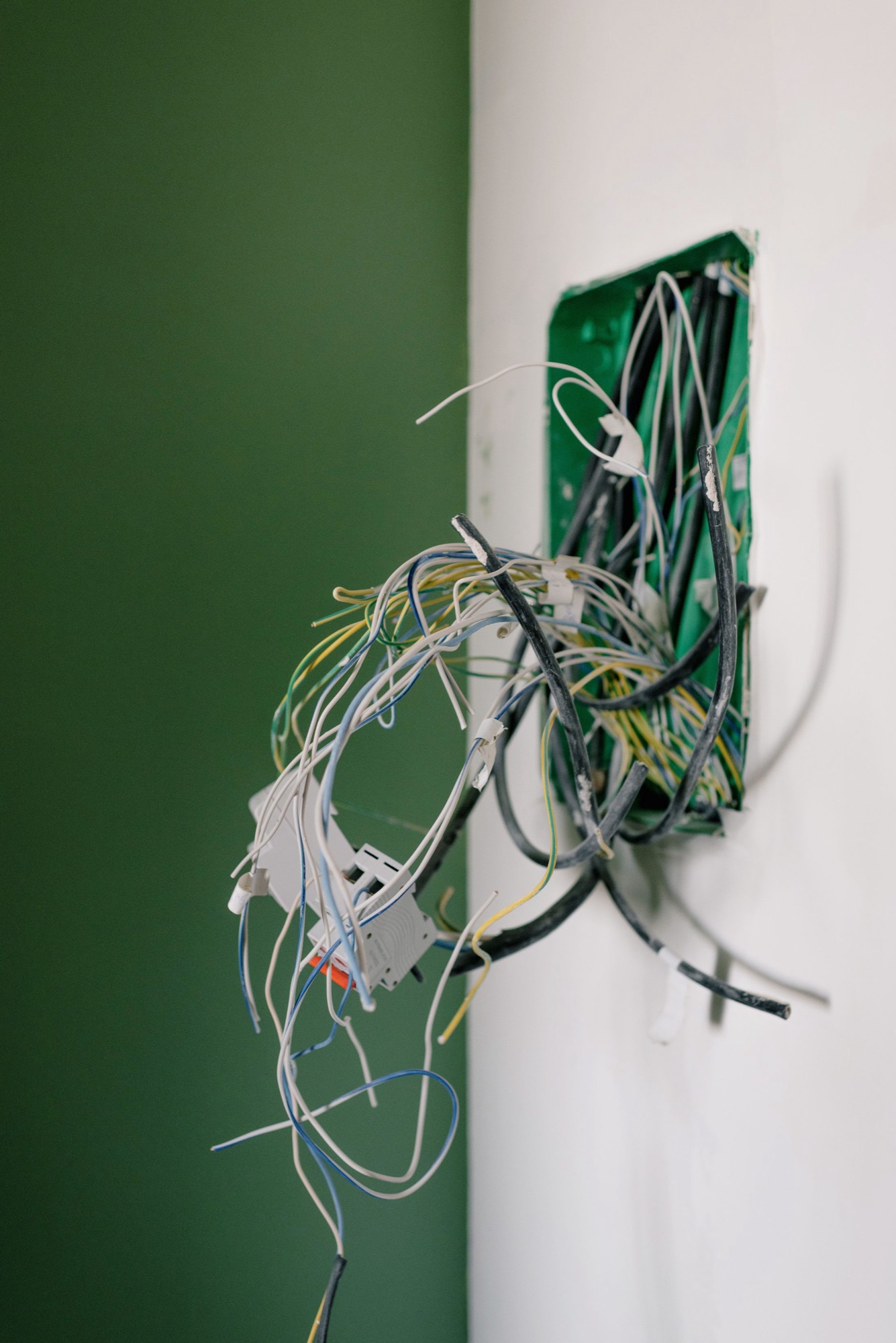
Chasing walls, lifting boards, drilling joists and running new cable back to the board. This is the loud, dusty part and there's no way round it. We work room by room or floor by floor and keep circuits live wherever we can, so a kettle, a fridge and a light generally survive the whole thing.
04
The board, and the bit that matters most
New consumer unit, RCD or RCBO protection on every circuit, main protective bonding to water and gas checked and put right, earthing at the intake sorted. This is the least interesting photograph in the job and the part that actually makes the house safe.
05
Second fix — sockets, switches and lights
Accessories on, lights hung, everything terminated and dressed. If it's running with a builder, we work to their programme so nothing gets fitted before the decorator wants it. If it isn't, we make good behind ourselves rather than leaving you a wall of chases.
06
Tested, certified, labelled and tidied
Every circuit is tested, the installation is certified and notified, and the board is labelled so the next person knows which way is which. Then we clean up — one customer made a point of writing that we “even vacuumed up” afterwards, which tells you something about the bar.
Living through it.
How long does a house take?
It depends entirely on size, access and whether floors can come up easily. A modest house running as a standalone job is usually a matter of days rather than weeks; a larger property alongside builders runs to the builder's programme. We'll give you a realistic number at the estimate stage, not an optimistic one.
Do we have to move out?
Usually not. We work in sections and keep circuits live where we can. It's dusty and it's noisy, and if you work from home you'll want to plan around the first-fix days, but most of our customers stay put.
Will you make good afterwards?
Chases get filled. What we don't do is replaster and redecorate whole rooms — on most rewires that's already in the builder's or the decorator's scope, and we'll tell you plainly at the estimate which side of that line each bit falls.
Can we do half the house now and half later?
Yes — partial rewires are a normal part of what we do, and they make sense when one floor has already been done or an extension is going on. The board and the earthing generally want doing at the first stage rather than the second.
Mid-project with a builder?
Talk to us before first fix — it's the cheapest point at which anything can still change.